


Surface energy affects how readily an adhesive wets a substrate. Cleaning, abrasion and suitable pretreatment must be managed together for a strong bond.
Short answer
A clean high-surface-energy substrate promotes adhesive spreading and real contact area. Low-surface-energy polymers such as PP, PE and PTFE may require special pretreatment.
Why does it matter?
Even a high-strength adhesive transfers load poorly if it cannot wet the surface. Contact angle, contamination and delay after treatment affect the result.
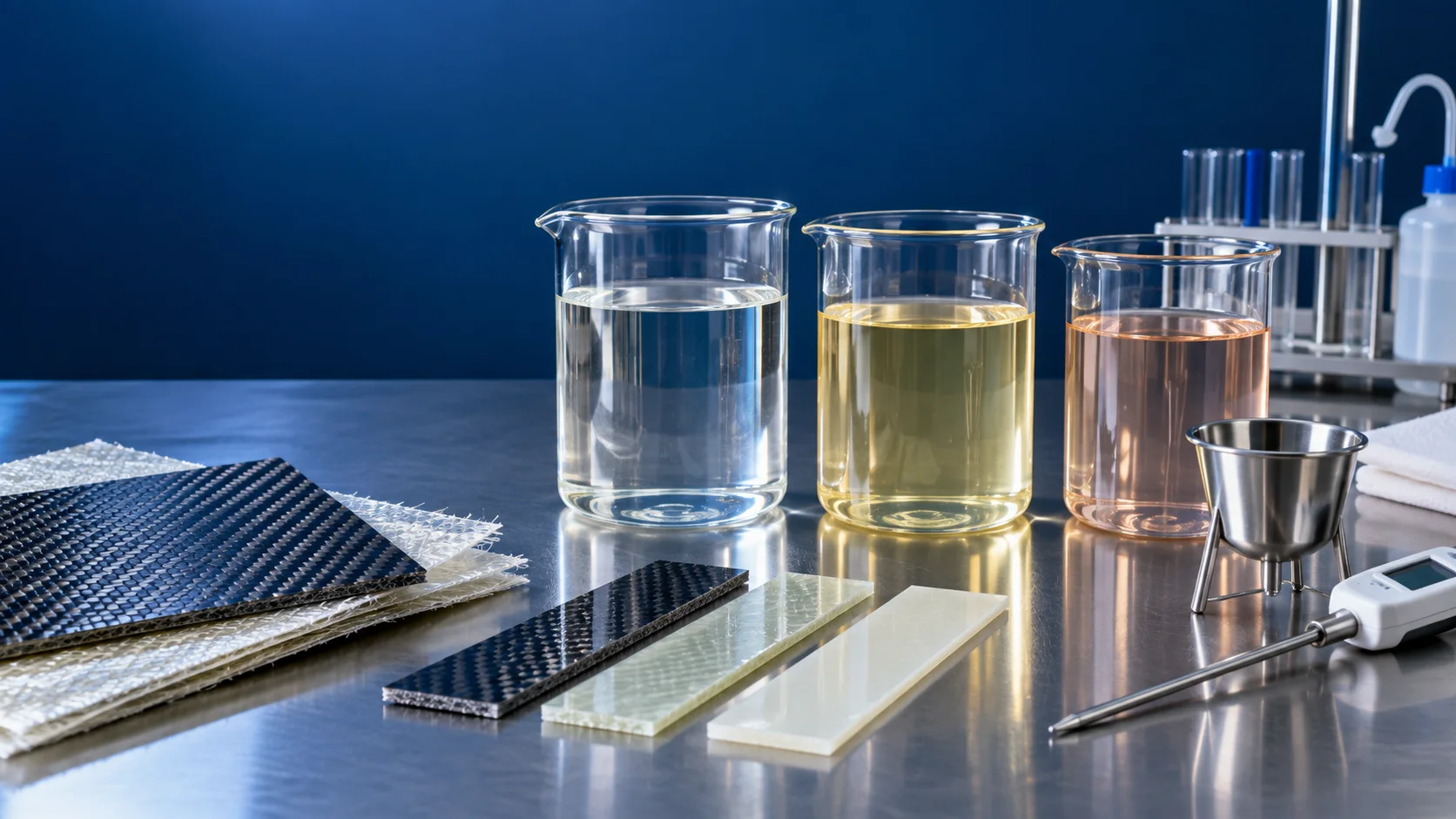
Wetting and contact angle
A low contact angle generally indicates better wetting, but does not alone guarantee long-term durability.
- Remove oils and silicone residues
- Remove dust after abrasion
- Limit delay after plasma/corona treatment
- Use primer from the qualified system
Simple shop-floor checks
Dyne pens or contact-angle measurement can compare surface condition. Final decisions require fracture testing and ageing with the actual adhesive.
Frequently asked questions
Does abrasion increase surface energy?
It may increase area and mechanical keying, but cleaning order matters so contamination is not merely spread.
Is flame or plasma treatment permanent?
No. Polymer surfaces may undergo hydrophobic recovery, so validate the delay between treatment and bonding.
Conclusion and technical support
Request technical consulting to validate the surface and adhesive as one system.